MURDER IN AMSTERDAM. The Death of Theo Van Gogh and the Limits of Tolerance
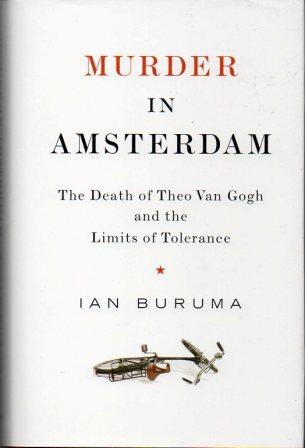
Hardback. It was an emblematic crime: on a cold November day in Amsterdam, an angry young Muslin man, the son of Moroccan immigrants, shot and killed the Dutch filmmaker Theo van Gogh, iconic European provocateur, for making a movie with the vocally anti-Islam politician Ayaan Hersi Ali that 'blasphemed' Islam. After Mohammed Bouyeri shot van Gogh, he calmly stood over the body and cut his throat with a curved machete, as if performing a ritual sacrifice. The murder horrified quiet, complacenty, propserous Holland - a country that prides itself on being a bastion of tolerance - and sent shock waves around the world. Shortly thereafter, the author returned to his native country to try to make sense of Van Gogh's death, and to see what larger meaning should and shouldn't be drawn from this story. With Notes and Index. 278pp. small 8vo h/back. From the library of true-crime writer, Wilfred Gregg, with his personal b/plate. F. in f. dw.